
 The global campaign for Universal Health Coverage remains one of the most ambitious health commitments under the United Nations Sustainable Development Goals. The initiative seeks to ensure that every individual can obtain essential medical services ranging from prevention and diagnosis to treatment and rehabilitation without facing financial distress.
Yet, global monitoring reports continue to reveal that many countries are struggling to keep pace with the 2030 target. Limited healthcare infrastructure, the migration of medical professionals and unequal access to services remain major barriers, particularly for rural populations.
In Nigeria, rural communities have historically faced the most difficult healthcare challenges. Distance from hospitals, shortage of medical personnel and poor infrastructure have left many villages with little or no access to professional medical attention.
However, a new development in Abia State is beginning to alter that long standing narrative. Through a digital health programme introduced under the administration of Governor Alex Otti, technology is now bridging the gap between doctors and remote communities.
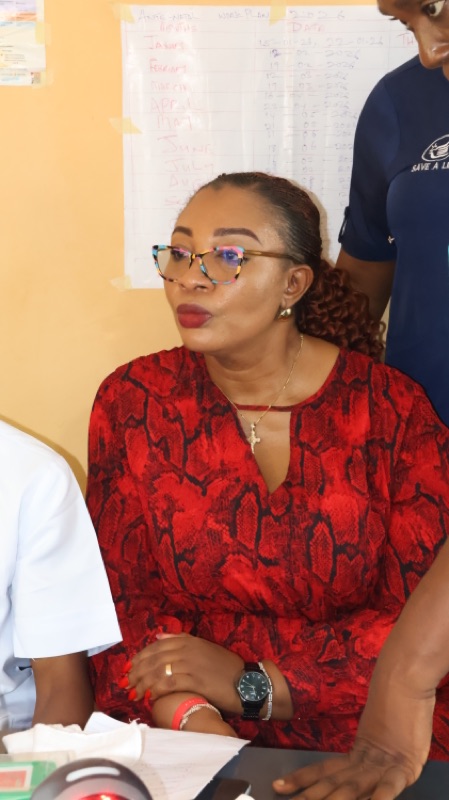
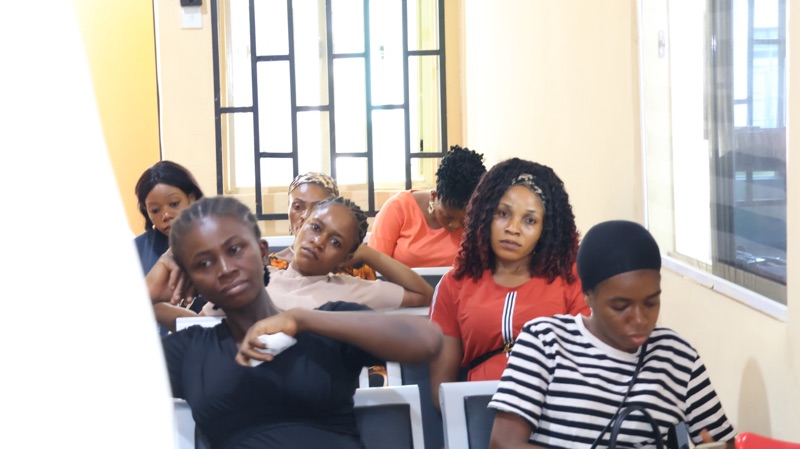
During a recent media visit to Umuenyere and Umudike communities in Ikwuano Local Government Area, journalists witnessed a healthcare innovation that is gradually transforming medical access in the area. These communities had struggled for years with limited electricity supply and poor internet connectivity, factors that ordinarily would make such an initiative difficult to implement.
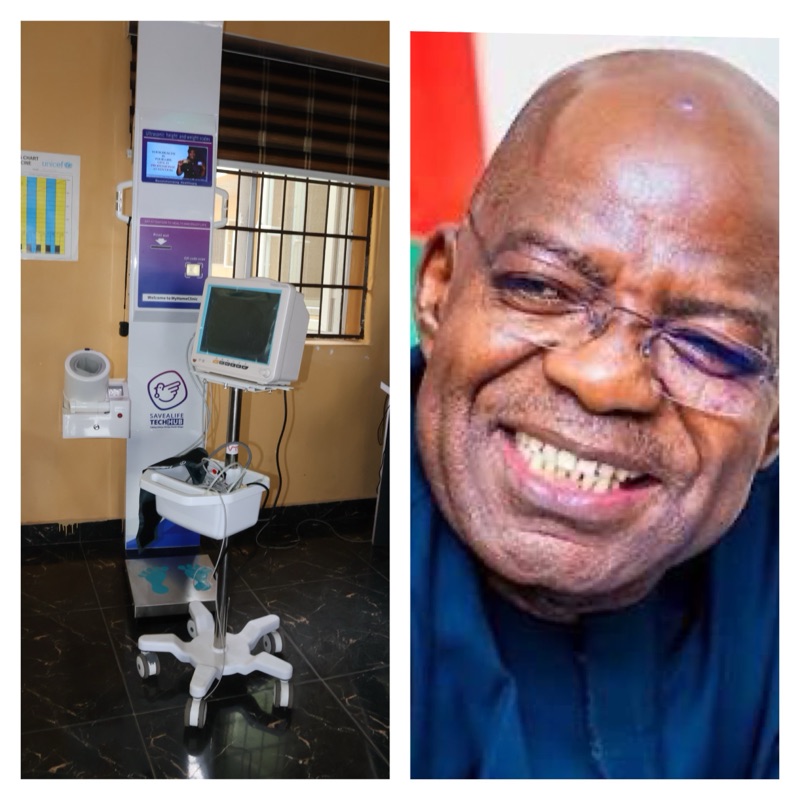
Despite these challenges, residents now access healthcare through a digital diagnostic system installed at the local health centre. Community members are issued personal health cards which are scanned into the machine whenever they visit the facility.
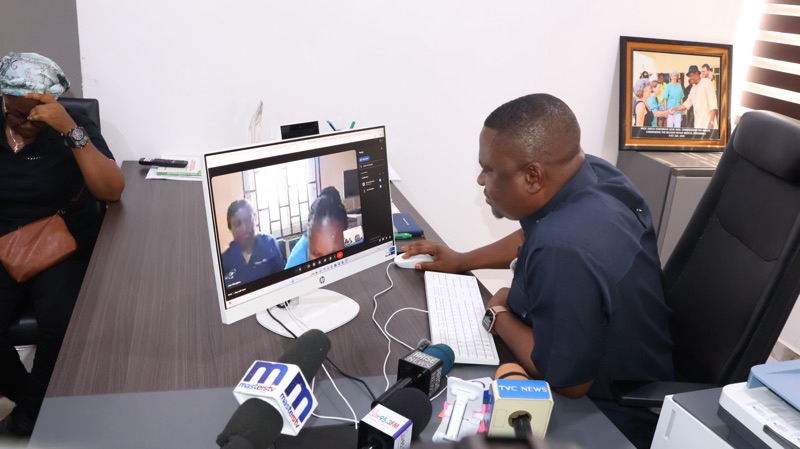
Once scanned, the system automatically records important health indicators including blood pressure, pulse rate, oxygen level and body temperature. The information is then transmitted electronically to medical doctors who review the readings and provide consultation from outside the community.
This process allows patients in remote villages to receive professional medical guidance without the need for doctors to be physically present at the facility. The system is particularly significant at a time when Nigeria continues to experience a steady departure of healthcare professionals seeking opportunities abroad.
Through the use of telemedicine, the absence of doctors in rural areas no longer completely prevents access to professional medical care. Physicians located in urban centres, and in some cases even outside the country, are able to review patient data and recommend appropriate treatment.
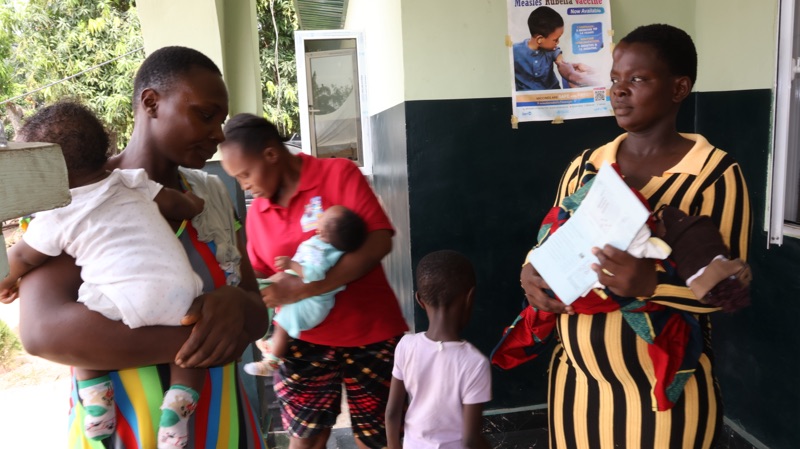
Local nurses stationed at the health centres also serve as important intermediaries in the process. They assist elderly patients and those who cannot read or write by helping them answer questions from the consulting doctors and by explaining medical instructions in simple language that patients can easily understand.
For many residents, the innovation has introduced a level of medical access that previously seemed impossible. Elderly villagers who once had to travel long distances for basic consultations can now receive medical attention within their own communities.
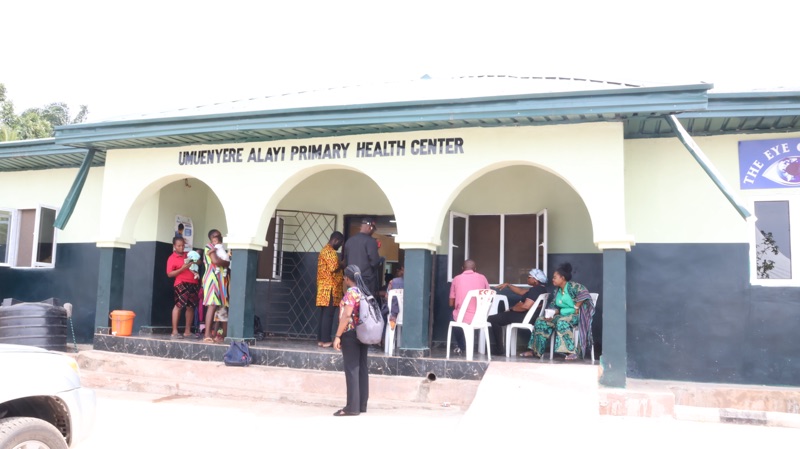
The initiative represents a practical demonstration of how digital technology can expand healthcare access beyond traditional hospital structures. By bringing modern medical consultation closer to rural populations, Abia State is providing a working example of how technology can support the global pursuit of universal health coverage.

No comments:
Post a Comment